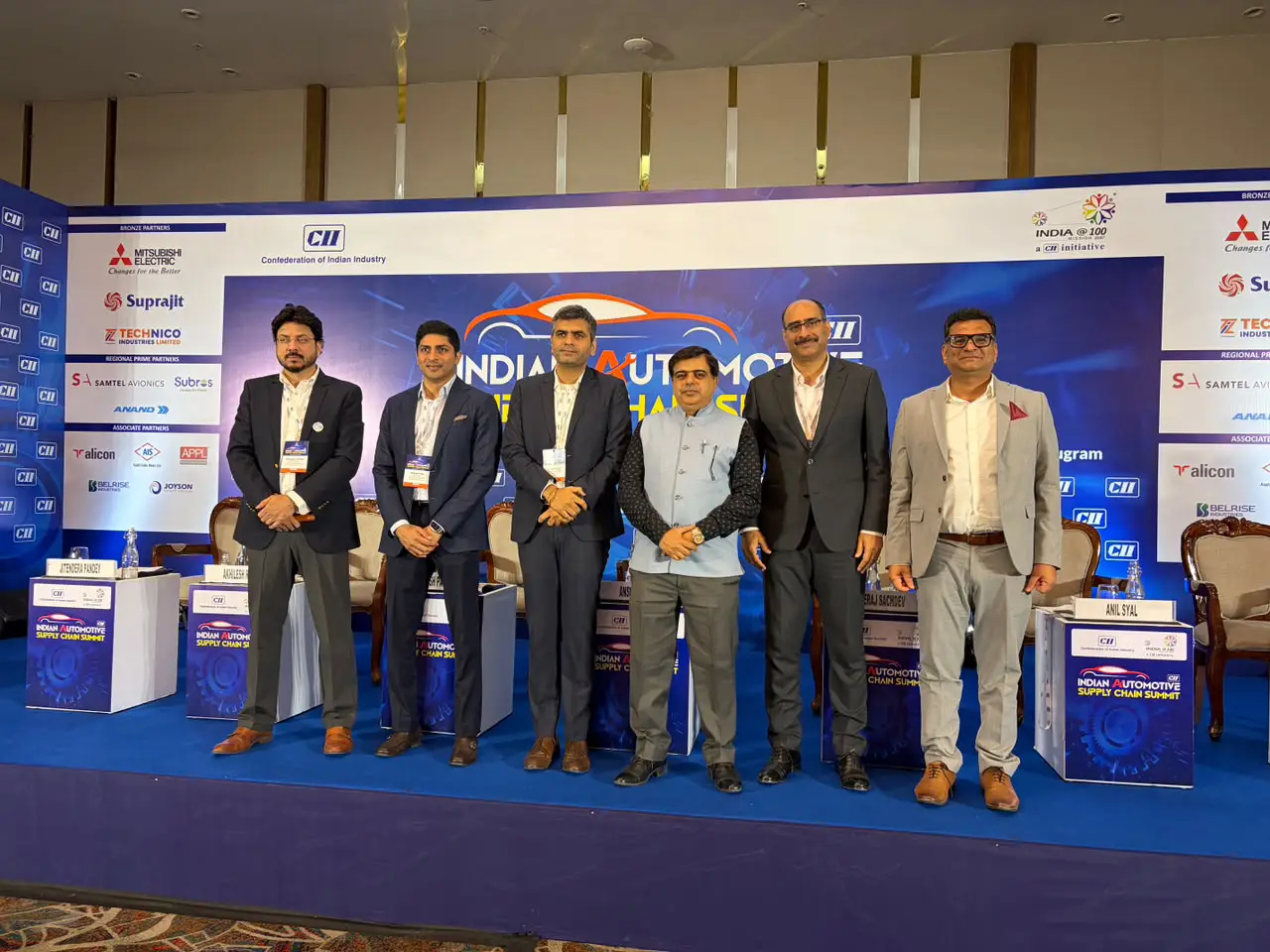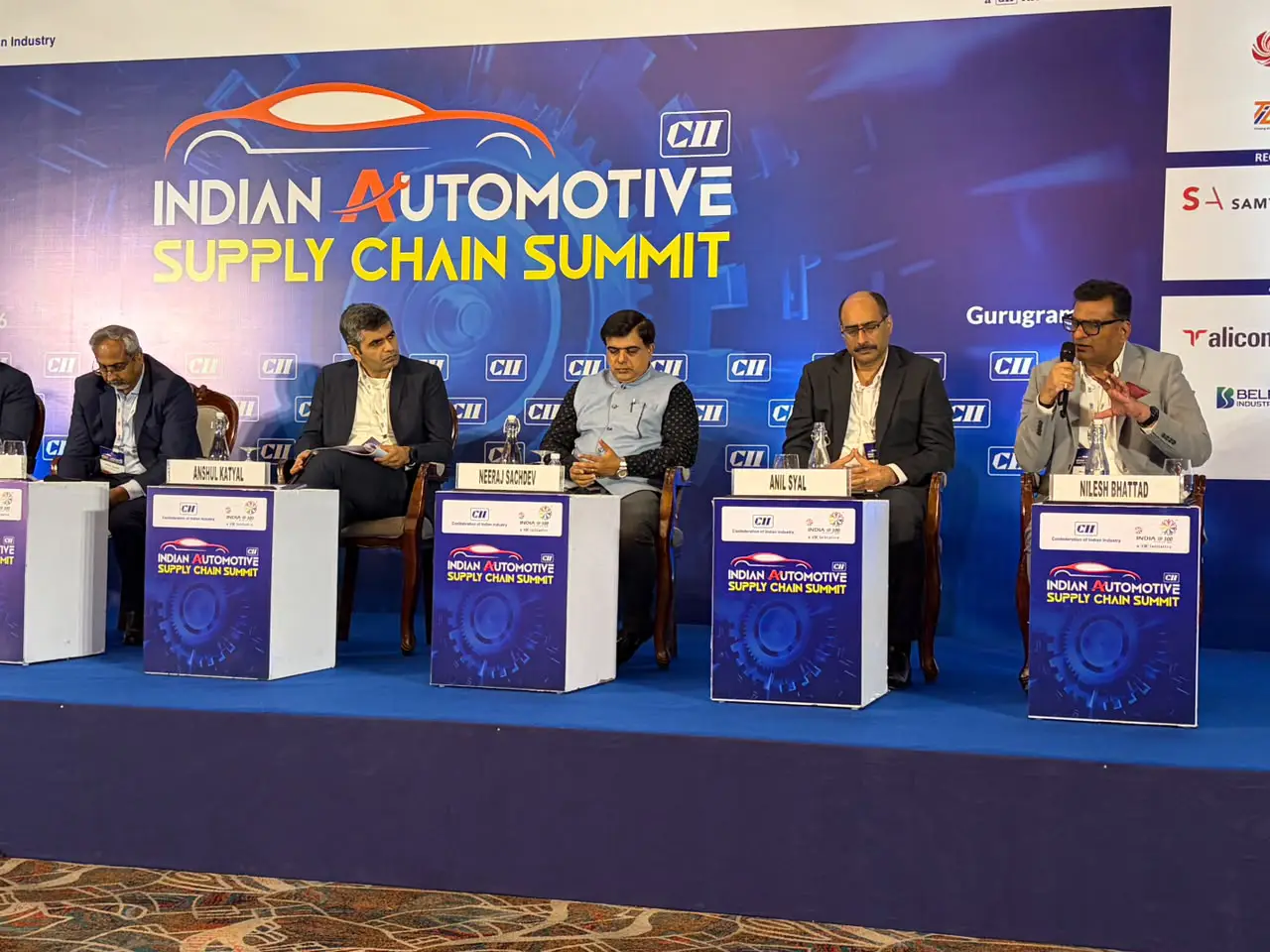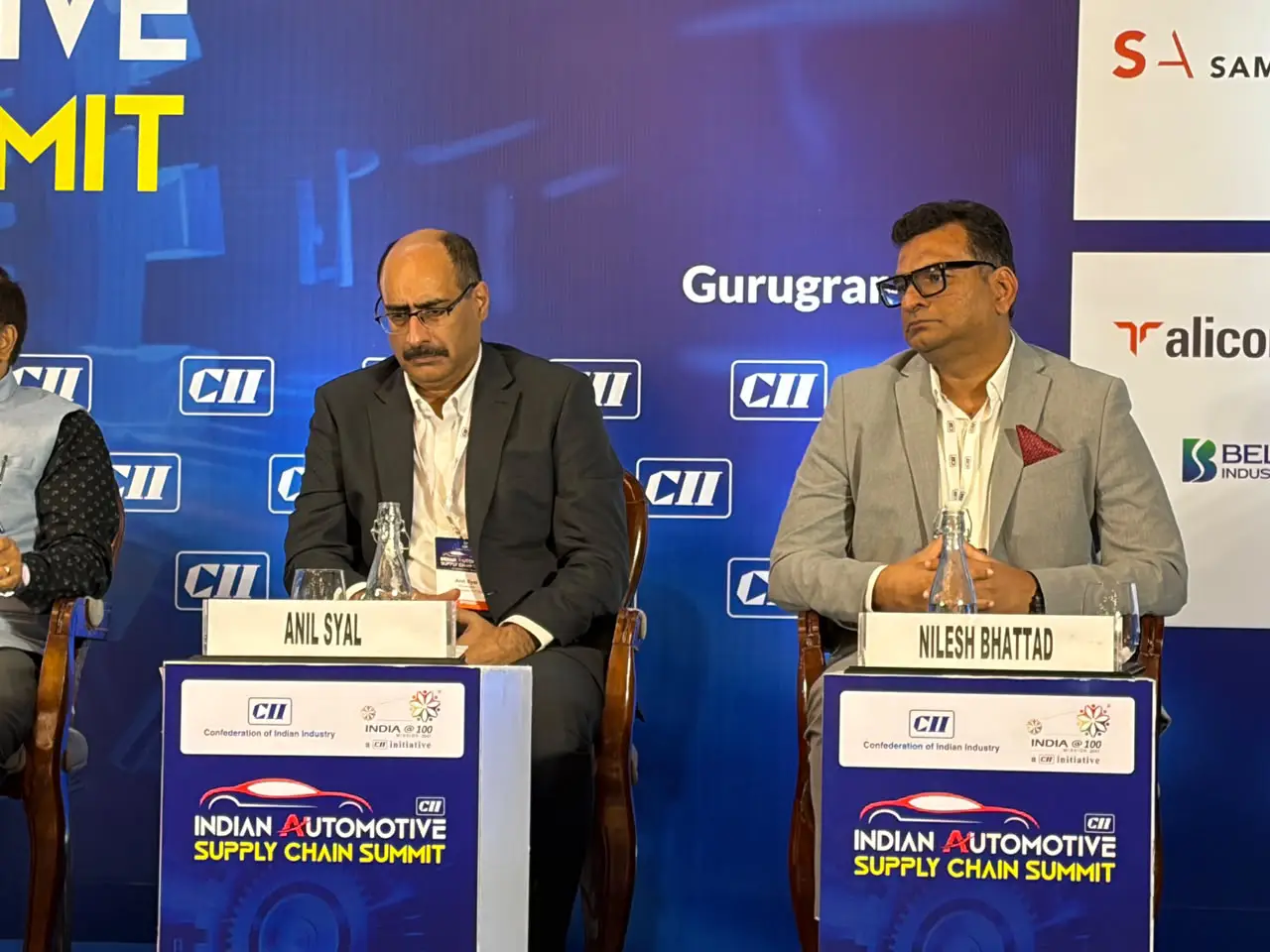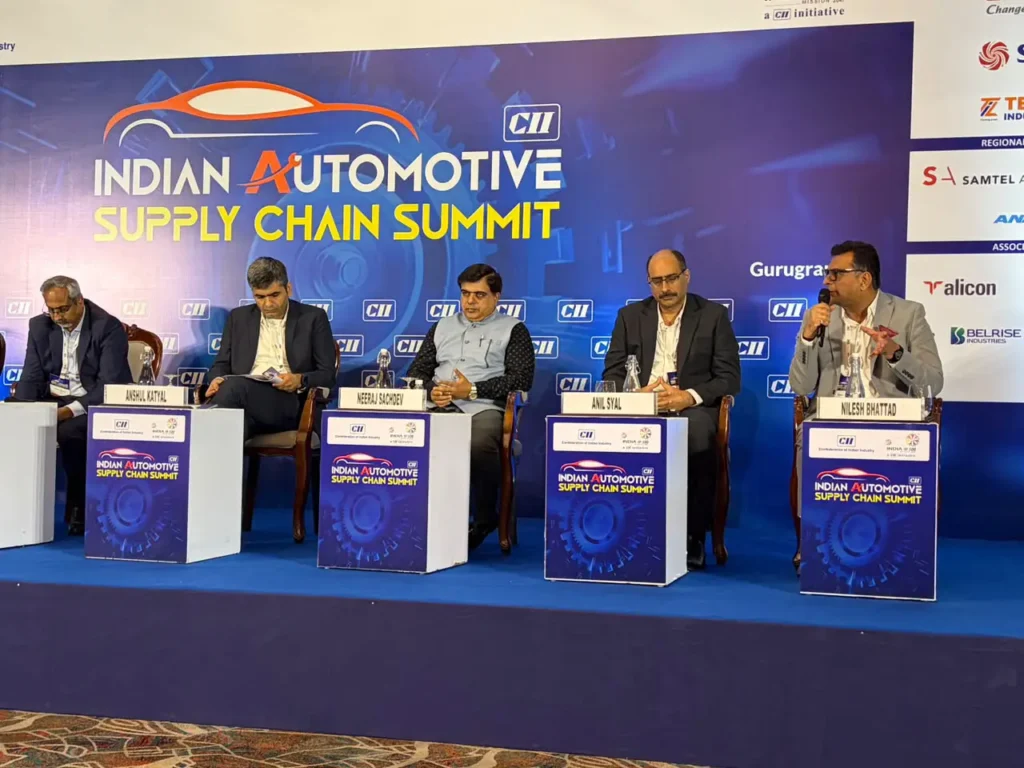
At the CII Indian Automotive Supply Chain Summit organized by the Confederation of Indian Industry (CII) in Gurugram, Mr. Nilesh Bhattad, Founder & CEO of CleanCarbon.ai, addressed auto OEMs, Tier-1 suppliers, and component manufacturers on building resilient, low-carbon supply networks for next-generation mobility.
1. The Carbon Imperative in Automotive Supply Chains
As global automotive manufacturing transitions toward electrification and sustainable mobility, supply chain governance is expanding beyond cost and delivery schedules. Automotive component exporters face rising compliance pressures under international frameworks like the European Union’s Carbon Border Adjustment Mechanism (CBAM) and mandatory Scope 3 carbon reporting.
During his address, Nilesh Bhattad emphasized that supply chain resilience in the mobility sector now directly depends on carbon data accuracy and regulatory compliance.
2. Key Challenges Facing Auto Component Exporters
Multi-Tier Supply Chain Data Gaps: Tracking precursor emissions across raw material suppliers, foundries, and processing units remains a primary barrier for Tier-1 and Tier-2 component suppliers.
EU CBAM & Tariff Exposure: Exporters supplying steel, aluminum, and downstream metal components to European OEMs risk margin erosion if relying on unverified default emission values.
Digital Transformation in Emissions Accounting: Transitioning from static manual spreadsheets to continuous, AI-powered carbon accounting platforms that integrate seamlessly into existing enterprise systems.
3. How CleanCarbon.ai Drives Automotive Decarbonization
CleanCarbon.ai provides an enterprise SaaS and advisory framework tailored for automotive component manufacturers and heavy industrial exporters:
Automated Scope 1, 2 & Embedded Scope 3 Tracking: Capturing real-time operational data across complex supplier tiers.
EU CBAM Compliance & Verification Readiness: Structuring audit-ready reports aligned with ISO 14064 and European Commission reporting guidelines.
Cost & Tariff Optimization: Identifying emissions hotspots to lower carbon intensity, optimize CBAM liabilities, and protect export margins.