
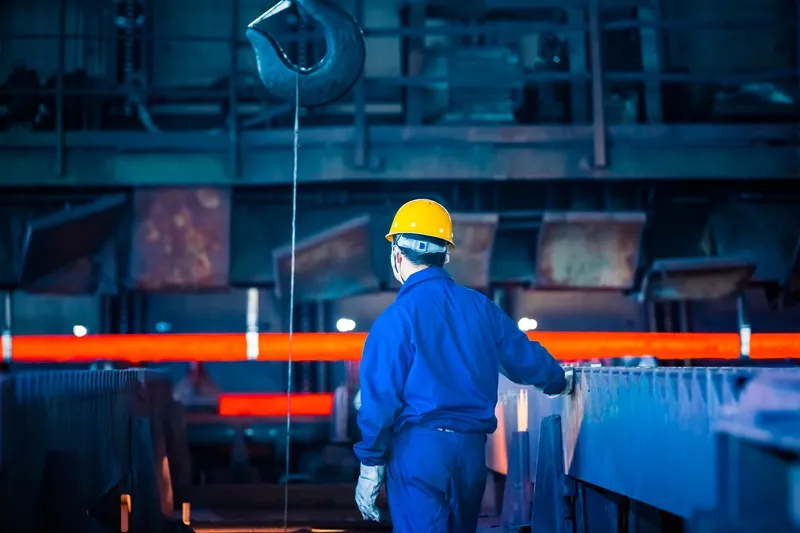
Within this evolving regulatory landscape, scrap-based steelmaking is gaining renewed attention. Steel produced using scrap in electric arc furnaces can generate around 1–1.2 tonnes of CO₂ per tonne of steel, significantly lower than emissions from the blast furnace route.
With the European Union implementing its Carbon Border Adjustment Mechanism (CBAM) this year, steel producers globally are assessing how the policy could reshape trade flows, emissions reporting, and raw material strategies. For India, the implications extend beyond exports to Europe, potentially accelerating the shift toward scrap-based steelmaking and more transparent supply chains.
Sharing his perspective, Jai Saraf, Chairman of Evonith Steel, says that the scheme effectively converts carbon intensity into a trade cost, tightening margins for Indian steel exports to Europe rather than shutting markets outright. According to him, this will mainly affect the larger port-based players in the country who have immense volumes to evacuate. In the near term, higher-emission BF–BOF steel will face pricing pressure, while buyers increasingly favour suppliers with verified, lower embedded emissions. Over the medium term, emissions data and transparency will become commercial differentiators across global supply chains. Nonetheless, he notes that India is a net importer of steel and will continue to remain so for the near future.