CBAM
What CBAM Means for Global Trade and Emissions 2025
CBAM or the Carbon Border Adjustment Mechanism is likely the most significant regulatory innovation shaping the 2025 future of international trade and climate politics. Since

CBAM or the Carbon Border Adjustment Mechanism is likely the most significant regulatory innovation shaping the 2025 future of international trade and climate politics. Since
CBAM Importance is picking up momentum unbeatable in 2025 as climate regulation takes center stage on global trade, industrial change, and green responsibility. The European

The Carbon Border Adjustment Mechanism is poised to redefine global trade by embedding climate risk into business operations. Its implementation is expected to disrupt international

India’s iron and steel sector—particularly MSMEs in the secondary steel segment—is under growing pressure as the EU’s Carbon Border Adjustment Mechanism (CBAM) takes shape. The

The EU’s Carbon Border Adjustment Mechanism (CBAM) is no longer theoretical—it’s here, and it’s reshaping global trade. Companies that act now can turn compliance into
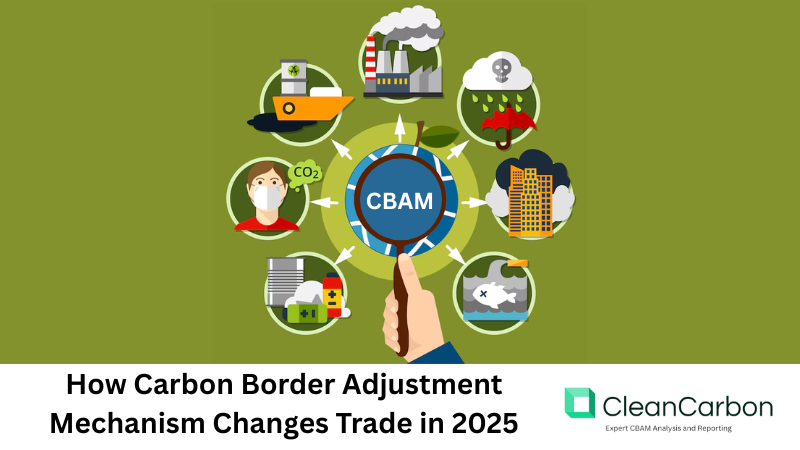
Unraveling the Carbon Border Adjustment Mechanism by 2025 The European Union’s Carbon Border Adjustment Mechanism (CBAM) is a titanic step climate policy for world governance.